< \
Day in the field

What to expect in the field.

Field life is different from any other job. Early mornings, big landscapes, strong teamwork, and the kind of routine that builds confidence fast. Here’s what your first days and your first rotation will feel like, step by step.

Before you leave home

Your scheduler reaches out with your rotation dates, travel plan, and exactly what to bring. Bags packed, you head out knowing all the details are covered — flights, hotels, shuttles, gear, and the handoff to your crew.

Most shifts run 12 hours a day, and rotation length varies by location. It’s steady, predictable, and gives you long stretches of time at home.

Orientation day

Before you ever reach the drill, you’ll spend time learning about the safety expectations while on site. You meet the crew you’ll be working beside and ask anything that’s on your mind. It’s a calm, practical start. No surprises, no guesswork.

Arriving at camp

You settle into your room — sometimes a hotel, sometimes a lodge, sometimes a tent camp. Meals are cooked for you, coffee is always on, and Wi-Fi keeps you connected back home.

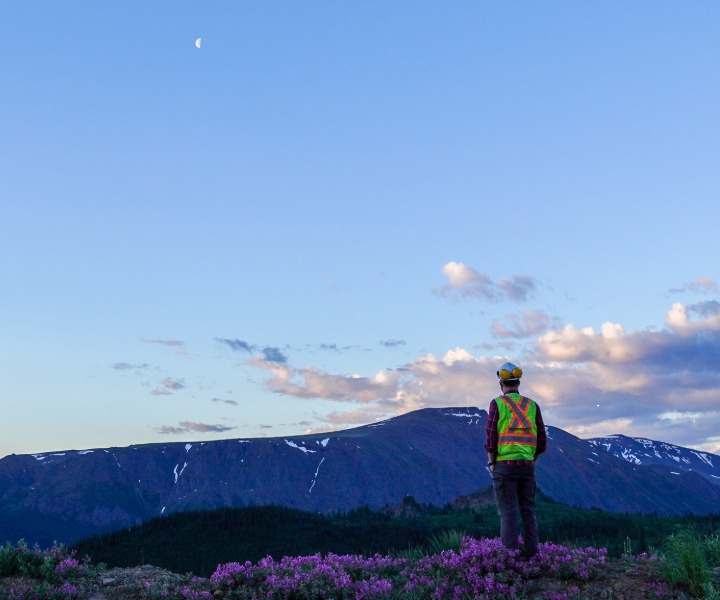
Each shift starts the same way: a ride to the drill in a helicopter, truck, RTV, or sled. As the day starts, you step into scenery most people will never experience: mountains and lakes, quiet forest, open sky or the stillness of stone below the surface.

On the job

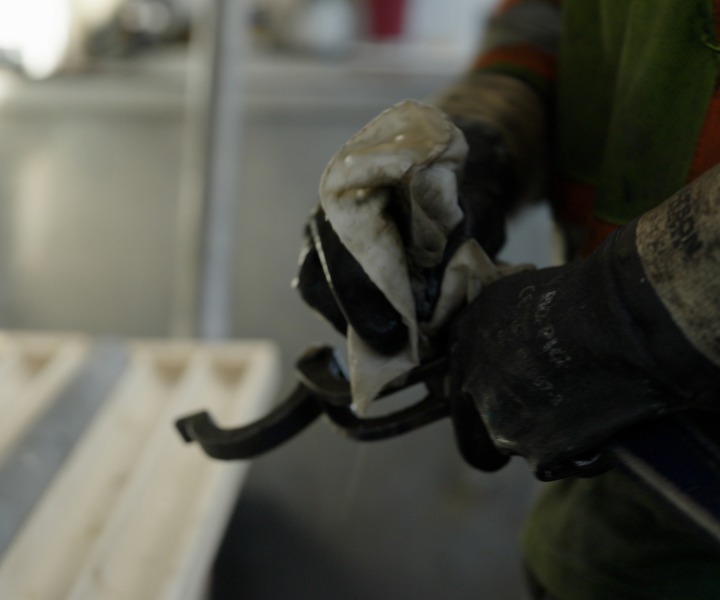
Your shift begins with a safety meeting, crew huddle and clear tasks assigned for the day. Your supervisor and experienced teammates walk you through each step: how to work safely, how to move efficiently, how to think through each task before doing it.

The work is physical and steady. You’ll sweat, you’ll problem-solve, and you’ll build strength and skill with every shift. You’ll also have people beside you who want you to succeed.

Your first rotation

It’s intense: 12 hours for an entire rotation. But you’re supported the whole way. Trainers check in, supervisors explain the “why” behind each task, and you’re encouraged to ask questions anytime.

By the end of your first rotation, you’ll look back and realize how much you’ve learned.

Heading home

Once your rotation ends, you head home for days off: time to rest, reconnect, and reset. You’ll debrief with your scheduler to share your experience, raise any questions, and talk about what comes next.

Career Hub

At Hy-Tech, you’ll help shape projects that lead to new mines. We hire people who want to learn, grow, and be part of a team built on safety, collaboration, and respect. With training programs and global opportunities, we’ll support your development from your first shift to your future career.

FAQ

What is the typical rotation schedule?

+

Rotation schedules vary by region and project. In North America, common rotations include 26/14, 21/21, or 14/14. In South America, crews typically work 14/14. In Europe, rotations generally follow a 4/4 schedule. All field roles work 12-hour shifts.

What are accommodations like?

+

Depending on the project, you may stay in a work camp, tent camp, or hotel. Meals are provided, and Wi-Fi is available at all locations.

How do I get to the drill site each day?

+

Transportation varies by location — usually by truck, RTV, sled, or helicopter.

What kind of training will I receive on site?

+

Before you head out, you complete an orientation. During your rotation, supervisors and certified trainers provide hands-on guidance, mentorship, and clear instructions.

Is the work physically demanding?

+

Yes. Fieldwork involves long days, changing weather, and physical tasks. You’ll build strength and confidence with support from your crew.

Who do I talk to if I have questions or concerns?

+

Your field scheduler, recruiter, or on-site supervisor is always available to help, especially during your first rotation.